Choosing Sunglasses by Frame Shape Fit and Activity
Frame design affects how sunglasses feel, how much light enters from the sides and how stable the glasses remain during movement. Style still matters, but comfort and coverage often determine whether a pair gets worn regularly. Maui Jim offers aviator, classic, wrap, fashion, rectangular, rimless and cat-eye designs, giving shoppers several ways to match frame geometry with the situations that matter most.
Start with coverage rather than appearance alone
Coverage is one of the clearest differences among frame styles. A larger lens or a frame that curves closer to the face can reduce the amount of bright light entering from the sides. That can be valuable around water, on open roads or during long periods outdoors, where stray light can remain noticeable even when the main view is protected by polarized lenses.
Wrap styles are especially relevant when side coverage and stability are priorities. Maui Jim describes its wrap sunglasses as suitable for active lifestyles and fast-moving sports because they provide broader protection from wind, water and glare. A flatter fashion frame may suit a different purpose, particularly when appearance, lighter visual presence or easy transition between casual settings matters more than maximum coverage.
A frame should also sit securely without excessive pressure. If the temples squeeze too firmly, the glasses can become uncomfortable over time. If the bridge sits too loosely, the frame may slide during walking or bending. The right balance is stable enough for movement while remaining comfortable during extended wear.
Frame shape can change comfort and stability
Aviator frames usually use a broad lens area with a thin bridge and temples, giving them a light visual profile. Classic and rectangular frames can feel more structured and may offer a firmer sense of coverage around the lens edges. Rimless designs reduce the visible frame material and can feel lighter, while cat-eye and fashion shapes place more emphasis on silhouette.
The useful comparison is not whether one shape is universally better, but how the geometry interacts with the wearer. A frame that looks balanced should also keep the eyes reasonably centered behind the lenses, remain clear of the cheeks and avoid contact points that become irritating after extended use. Maui Jim provides multiple frame families because those differences in shape can change both the visual effect and the practical fit.
Lens size also influences weight. A large frame made with a heavier lens material can feel different from a similarly sized frame fitted with a lighter material. People who keep sunglasses on for several hours may notice that difference more than those who wear them only for short periods. Fit therefore works together with lens material rather than functioning as a separate decision.
Where different styles make the most sense
Activity gives frame selection a useful starting point. A wrap or close-fitting rectangular design can make sense for boating, hiking, running or other situations where movement and side light are frequent. Aviators and classic shapes can suit driving and general daily wear because they combine broad lens areas with familiar styling. Fashion and cat-eye frames may be more appropriate when visual character is a larger part of the decision.
The polarized range from Maui Jim uses the same broader PolarizedPlus2 platform across many of these shapes, so frame choice can focus on coverage and fit without treating polarization as a separate category. That makes it easier to compare styles according to real use. A person who spends weekends near water may prioritize a secure wrap, while someone who mainly uses sunglasses for commuting may prefer a lighter classic or aviator shape.
No single frame has to solve every possible situation. Some wearers prefer one versatile pair, while others use different glasses for active outdoor time and everyday city use. Thinking in terms of activities helps prevent the purchase from being driven only by how a frame looks for a few minutes indoors.
Questions that help narrow the choice
A short checklist can make frame comparison more objective before color and styling details take over the decision.
- Check whether side coverage is important for water, road glare or long periods in open sunlight.
- Test whether the bridge stays stable without pinching or sliding when the head moves.
- Consider whether the temples remain comfortable behind the ears during extended wear.
- Compare lens and frame weight when choosing larger shapes or glasses intended for all-day use.
- Match the frame style to the main activity before choosing secondary details such as finish or decorative accents.
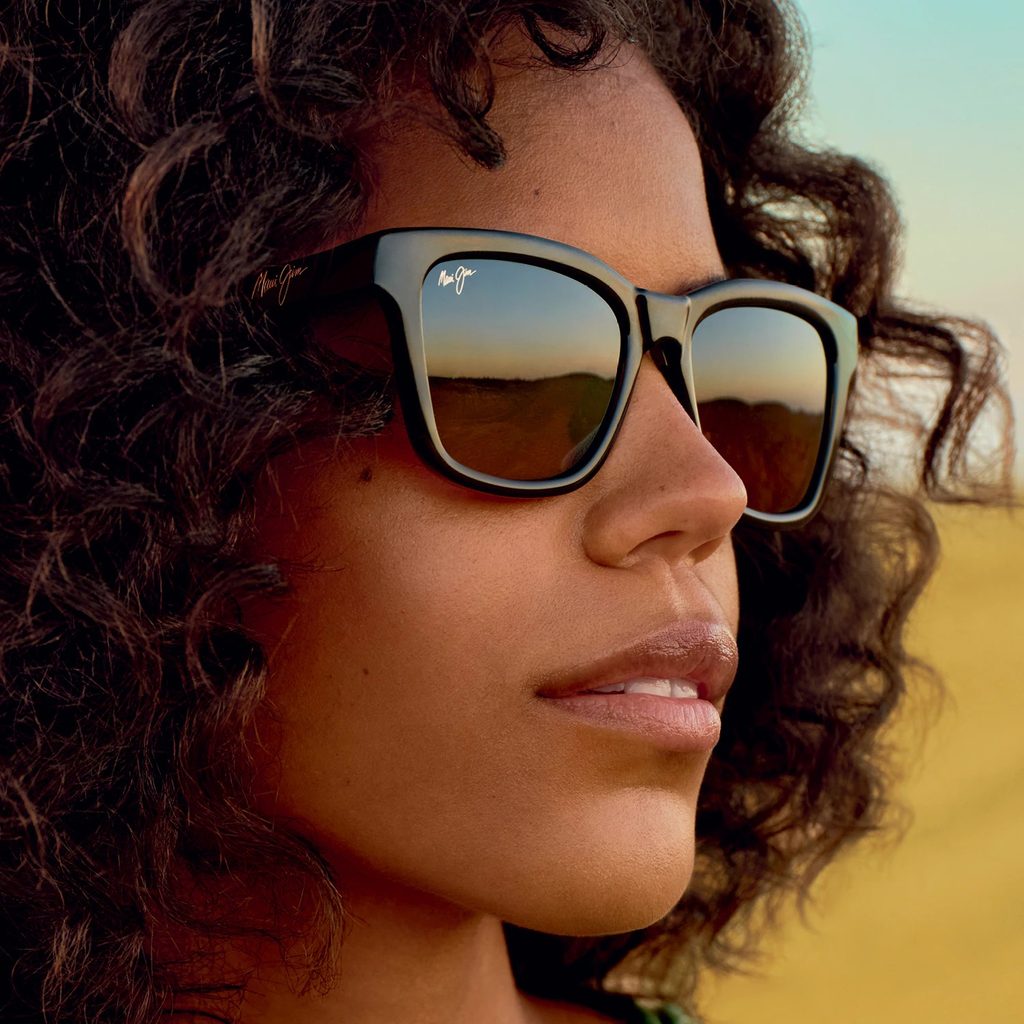
A well-chosen frame should disappear into the routine rather than demand constant adjustment. Maui Jim provides enough variation in shape, coverage and lens material for buyers to compare practical needs before settling on appearance. When fit, activity and coverage guide the decision, style becomes an added benefit instead of the only reason for choosing a pair.