How Polarized Lens Choices Shape Everyday Sunglass Performance
Bright conditions can make ordinary outdoor tasks surprisingly tiring when glare, reflected light and flat contrast reduce visual comfort. Choosing sunglasses by lens behavior rather than appearance alone helps separate useful features from styling preferences. Maui Jim builds its sunglass range around PolarizedPlus2 lens technology, which is designed to reduce glare, enhance perceived color and block harmful ultraviolet light. The useful question is not simply whether a pair is polarized, but how lens color, material and treatment suit the conditions in which the glasses will actually be worn.
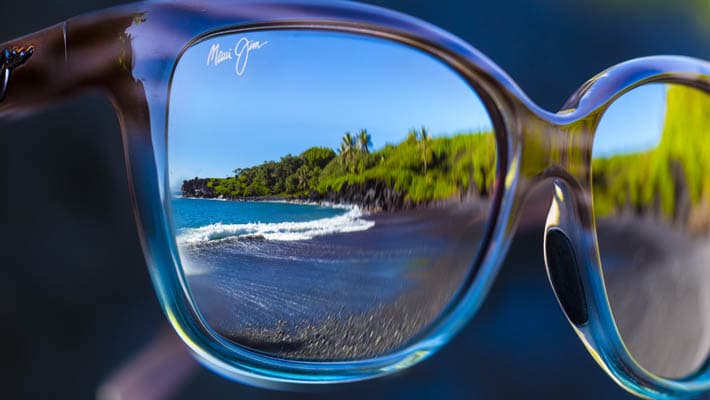
Why glare control matters in daily use
Glare is most noticeable when sunlight reflects from smooth surfaces such as water, wet pavement, glass or a car hood. It can make details harder to separate and can encourage squinting during long periods outdoors. Polarization is intended to limit much of that reflected light before it reaches the eyes, which can make a view feel calmer and more defined without relying only on a darker tint.
The technology used by Maui Jim is described by the brand as eliminating 99.9 percent of glare while also blocking 100 percent of harmful UV rays. Those claims make the lenses relevant to more than beach use. Driving, walking through bright city streets, spending time near water and sitting outside during strong daylight all create reflective conditions where glare control can matter.
A darker lens is not automatically better for every situation. Heavy tint can reduce the amount of light reaching the eye, yet it does not by itself guarantee good contrast or useful glare control. A well-matched polarized lens should preserve enough detail for the environment while reducing the reflections that make bright scenes uncomfortable.
Matching lens color to changing light
Lens color changes how a scene is perceived, so the best choice depends on typical light rather than on frame color alone. Neutral grey is positioned for bright, direct sunlight because it reduces a high amount of visible light while keeping color perception comparatively natural. HCL Bronze adds a warmer tint and is intended for varied everyday conditions where contrast can be more useful than maximum light reduction.
Maui Rose is designed around strong contrast and fast-moving activity, while Maui HT is made for lower-light conditions where a very dark lens could feel excessive. Maui Jim presents these options as tools for different environments rather than as purely decorative finishes. That distinction is important because a lens that works well on a cloudless afternoon may feel too dark during changing weather or shaded activity.
People who move between environments can benefit from identifying the lighting condition that matters most. Someone who spends much of the day in bright open spaces may prioritize light reduction. Someone who regularly moves through mixed sun and shade may place more value on contrast. The goal is to choose the lens that supports the dominant use instead of expecting one tint to behave identically everywhere.
What lens materials change in practice
Material choice affects more than optical appearance. Glass can provide exceptionally crisp optics and strong scratch resistance, but other materials can reduce weight and improve impact resistance. Lightweight lenses can be especially noticeable in larger frames because every gram sits on the nose and ears for hours at a time.
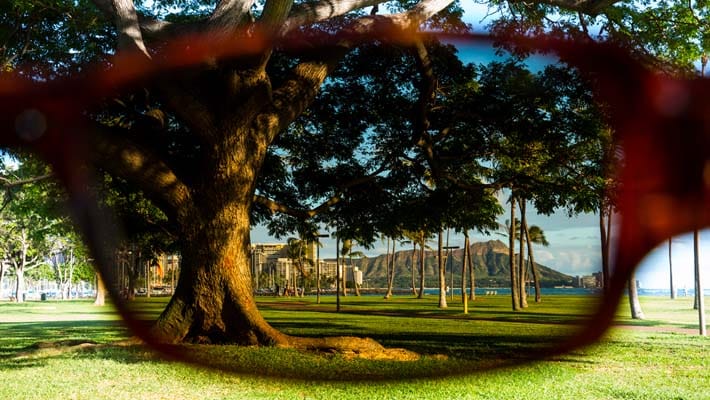
The range from Maui Jim includes SuperThin Glass, MauiBrilliant, MauiPure, Maui Evolution and MauiPure LT. The differences involve the balance among clarity, weight, scratch resistance and shatter resistance. No single material is ideal for every wearer. Someone who values the sharpest possible view may make a different choice from someone who needs a lighter pair for extended activity.
Lens treatments also matter during routine wear. Anti-reflective treatment can reduce light that bounces toward the eye from behind, while water and oil resistance can make lenses easier to keep clear. These details are easy to overlook in a store because they are less visible than frame shape, yet they can influence how practical the sunglasses feel after weeks of regular use.
A practical checklist before choosing a pair
A careful comparison becomes easier when the decision starts with use conditions rather than with appearance. Before settling on a frame, several points deserve attention.
- Identify whether the sunglasses will be used mainly in intense sun, mixed light or lower-light conditions.
- Compare lens colors according to contrast and light reduction rather than choosing only by mirror finish.
- Consider whether lower weight, maximum optical sharpness or added impact resistance matters most for regular wear.
- Check that the frame provides enough coverage for the activities in which reflected light is common.
- Look for lens treatments that reduce back reflections and make water, fingerprints and oil easier to manage.
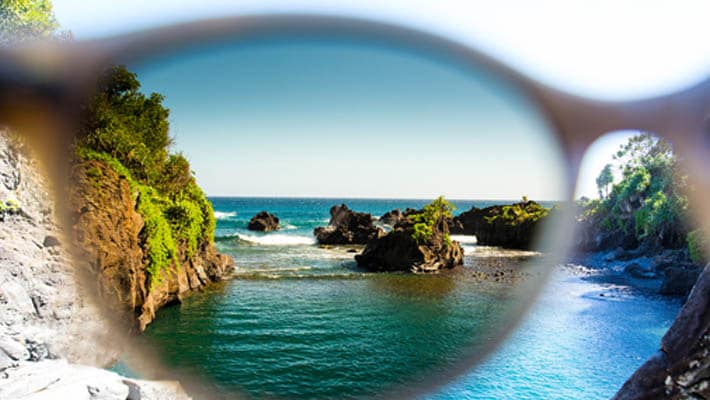
The most suitable pair is usually the one whose features match daily habits. Maui Jim offers several lens colors and materials within the same broader polarized system, which makes comparison more useful than simply looking for the darkest option. When glare control, light conditions, weight and maintenance are considered together, sunglasses can become a more practical piece of everyday equipment rather than a style choice alone.