Irish Ferries: Turning the Journey into the First Chapter of Your Holiday
There is something wonderfully liberating about beginning a holiday with your own vehicle packed exactly as you like. Suitcases, walking boots, children’s essentials and favourite road-trip snacks can all come along without the restrictions associated with air travel. Irish Ferries connects Ireland, Britain and France through a network of sea routes designed for motorists, families, foot passengers and travellers seeking a more flexible way to explore.
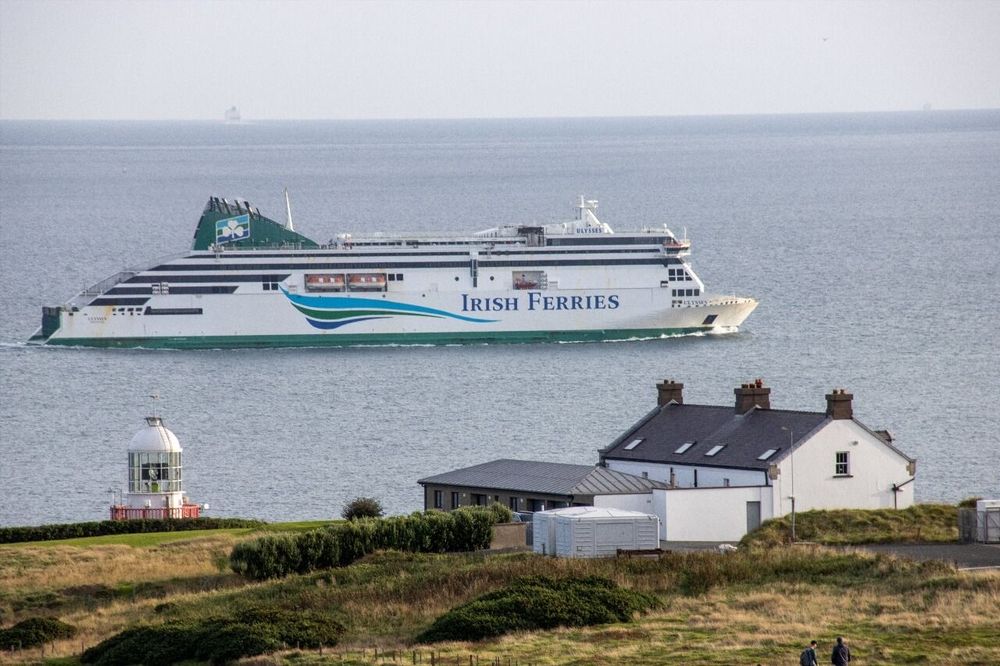
Its key services include Dublin to Holyhead, Rosslare to Pembroke, Dublin to Cherbourg and Dover to Calais. These crossings open the door to everything from a spontaneous weekend in Wales to a long European driving adventure. With restaurants, lounges, cabins, family facilities and pet-friendly options available across selected vessels, the time at sea becomes part of the experience rather than a gap between destinations.
Routes That Connect Three Remarkable Countries
The Dublin–Holyhead route creates a direct connection between the Irish capital and North Wales, making it useful for journeys towards Snowdonia, Liverpool, Manchester and other parts of Britain. Rosslare–Pembroke offers another Irish Sea option, particularly convenient for travellers beginning or ending their trip in southern Ireland or western Wales.
For a direct route between Ireland and continental Europe, Dublin–Cherbourg allows motorists to arrive in Normandy with their own car. Meanwhile, Dover–Calais connects Britain and northern France across the Channel. The right route depends not only on the cheapest fare, but also on the departure port, onward driving distance, sailing schedule and amount of rest required before continuing the journey.
Your Vehicle Makes the Destination Feel Bigger
Taking a car means travellers are not limited to places located close to airports or railway stations. Remote beaches, countryside villages and several destinations can be combined within one itinerary. Families can carry familiar equipment, while cyclists and outdoor enthusiasts have more freedom to bring the items required for their plans, subject to booking conditions.
Irish Ferries also accommodates motorcycles, campervans, motorhomes and vehicles towing caravans or trailers on applicable sailings. Accurate dimensions are essential because roof boxes, bicycle racks and rear-mounted equipment may affect the vehicle’s total height or length. Incorrect information can result in additional charges or difficulty boarding when the reserved vehicle space is unsuitable.
A Pre-Sailing Checklist for a Smoother Departure
Ferry travel is straightforward when the booking accurately reflects everyone and everything travelling. A few checks before leaving home can prevent stressful surprises at the port.
- Confirm the correct sailing date, departure port and terminal.
- Check the required identification for every passenger.
- Enter the vehicle’s full height and length, including external equipment.
- Add caravans, trailers, bicycles, motorcycles and pets during booking.
- Reserve a cabin or Club Class access before popular sailings fill.
- Review the recommended check-in time for the route and vehicle type.
- Monitor sailing updates before beginning the drive to the port.
- Keep travel documents and essential medication outside the locked vehicle.
Passengers normally cannot return freely to the vehicle deck during a crossing, so everything needed onboard should be carried upstairs. A small bag containing documents, chargers, warm layers and toiletries can make the journey much more comfortable.

Cabins Turn Longer Crossings into Genuine Rest
A cabin can transform an overnight or extended sailing. En-suite facilities, proper beds and a private space allow passengers to rest before the next stage of their drive. Irish Ferries offers different cabin categories on relevant vessels, including inside and window options, suites and adapted cabins for passengers with reduced mobility.
Availability can become limited during school holidays and peak travel periods, making early reservation worthwhile. Travellers who do not require a cabin may prefer a lounge or Club Class upgrade. The best choice depends on sailing length, time of departure and whether the driver needs quality sleep before continuing overland.
Food, Views and a Little Onboard Indulgence
A ferry provides room to walk around, stretch and share a proper meal while the vehicle rests below deck. Depending on the vessel, passengers can choose from sandwiches, pastries, hot dishes, drinks and family-friendly options. Outdoor areas and panoramic windows add a sense of occasion as the coastline disappears and the next destination approaches.
Selected ships also feature duty-free shopping where applicable, with fragrances, fashion, gifts and travel essentials. Club Class offers a quieter environment with added refreshments and other benefits that vary by ship. These optional upgrades can be particularly appealing to travellers who want to work, unwind or simply begin their holiday at a gentler pace.
Let the Open Road Begin at Sea
Irish Ferries gives travellers something that flying rarely can: the freedom to bring their own vehicle and shape the holiday after arrival. There is no need to build every day around a fixed resort or public transport timetable. A favourite beach, historic town or unexpected roadside discovery can become the next stop.
From an Irish Sea crossing to a direct voyage towards France, the company connects practical travel with the unmistakable atmosphere of being at sea. Once the ship leaves the harbour, the holiday has already started—and when the doors of the vehicle deck finally open, an entire road network is waiting.