Irish Ferries for Families and Pets: A More Relaxed Way to Travel Together
Family travel can become complicated before the holiday has even begun. Luggage allowances, crowded terminals and the challenge of keeping children settled may turn a simple journey into a demanding operation. Add a pet to the group and the planning becomes even more detailed. Irish Ferries offers an alternative that gives travellers more space, greater luggage flexibility and the option to bring their own vehicle on selected routes.
The company connects Ireland with Britain and France, while also operating between Dover and Calais. Onboard facilities vary by vessel but can include children’s play areas, restaurants, cafés, cabins, Club Class lounges and dedicated pet spaces. With thoughtful preparation, the crossing becomes a chance for the whole family to pause before the driving adventure continues.
Bringing the Car Makes Family Packing Easier
Travelling with a car allows families to carry pushchairs, travel cots, outdoor equipment and familiar comforts without reducing everything to a few small suitcases. Items still need to fit safely inside the booked vehicle, but the process can feel far more manageable than navigating an airport with several bags and tired children.
The car also provides freedom after arrival. Families can choose accommodation outside major cities, explore beaches and attractions at their own pace, and stop whenever younger passengers need a break. Caravans and motorhomes create even more independence, provided their complete dimensions and any attached racks are accurately entered during booking.
Children Can Move Beyond a Single Seat
Once onboard, passengers leave the vehicle deck and enter the public areas of the ship. This gives children the opportunity to walk, eat and enjoy the changing sea views instead of remaining strapped into a car seat for another stage of the journey. Selected vessels provide soft-play or family entertainment areas, although facilities depend on the assigned ship.
Ulysses includes a family entertainment centre and cinema, while Oscar Wilde offers a children’s play area on the Dover–Calais service. Parents should check the exact ship before departure and supervise children throughout the crossing. Bringing a small activity bag remains useful in case facilities are busy, closed or less suitable for a particular age group.
What Every Family Should Keep in Its Onboard Bag
Passengers generally leave most belongings in their locked vehicle during the sailing, and access to the car deck may be restricted. Packing one clearly organised bag prevents repeated searching and ensures the essentials remain close at hand.
- Passports, booking confirmation and any required travel documents.
- Regular medication and basic personal-care items.
- Nappies, wipes and a change of clothes for younger children.
- Snacks and drinks suitable for the family’s needs.
- Chargers, headphones, books and compact activities.
- A warm layer for air-conditioned lounges or outdoor decks.
- Pet documentation and necessary supplies where permitted.
- Overnight toiletries when a cabin has been reserved.
Valuable items should not be left visibly inside the vehicle. Families travelling overnight may also find it helpful to dress children in comfortable clothes before boarding, reducing the effort required when everyone is ready to sleep.
Cabins Give Tired Travellers a Private Retreat
On longer or overnight routes, a private cabin can make an enormous difference. Irish Ferries offers several cabin types on applicable ships, ranging from practical inside rooms to window cabins and larger suites. En-suite facilities give families privacy, while proper beds offer the driver a valuable opportunity to rest before continuing the journey.
Adapted cabins are available on selected vessels for passengers with reduced mobility. These may feature wider doors, accessible bathrooms and locations close to lifts. Availability is limited, so passengers who require specific assistance should provide accurate information and contact the company early enough to confirm arrangements.
Dining and Lounges Make the Crossing Feel Like a Break
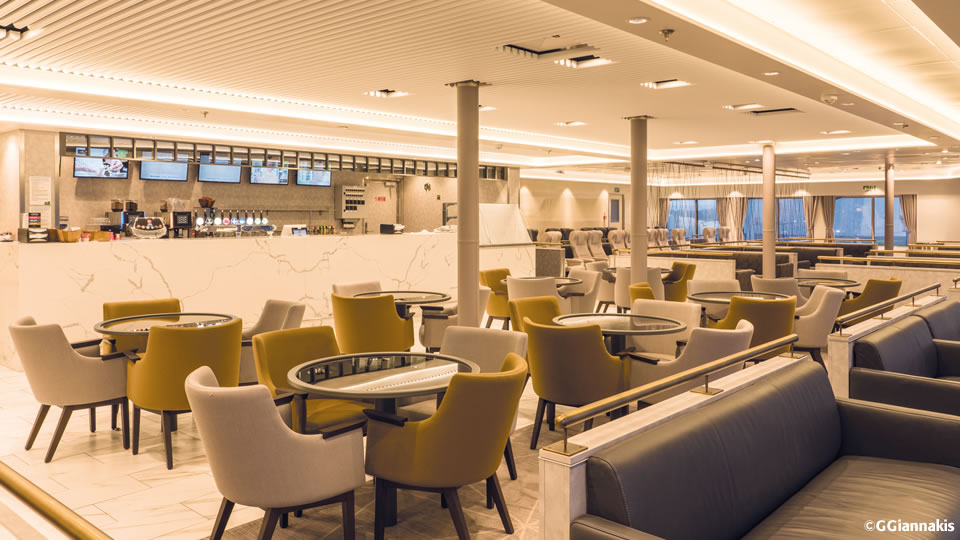
Onboard food outlets give families a chance to sit down together rather than relying entirely on service-station meals. Depending on the ship, options can include cafés, brasseries, pubs and hot-food counters. Opening hours and menus can change according to the route, sailing time and season, so passengers with allergies or strict dietary requirements may wish to prepare additional suitable food.
Club Class provides a quieter alternative on selected ships, usually for an extra charge. Benefits can include refreshments, comfortable seating, sea views and priority boarding for motorists where available. For parents seeking a calmer space or couples travelling without children, the upgrade can make the journey feel more like the first relaxing part of the holiday.

Together from the Driveway to the Destination
Irish Ferries allows the family journey to remain connected. Parents, children, pets and luggage travel together, the car waits below deck and the adventure continues immediately after arrival. There is no baggage carousel separating the group from the next stage, only the satisfying moment when the ship reaches port and the road opens ahead.
With child-friendly spaces, cabin options, dining and route-specific pet facilities, the crossing can become a welcome pause instead of an obstacle. The key is to book accurately and prepare for the needs of every traveller. Do that, and the family holiday begins not after the ferry—but with the first glimpse of open water.