Why Plantarcure Is Becoming the Go-To Option for Persistent Heel Pain Relief
Heel pain has a way of sneaking into everyday life and slowly taking over. At first it is a dull ache in the morning. Then it becomes the reason walks get shorter, workouts stop, and even standing feels uncomfortable. People dealing with long term foot pain often try stretching routines, insoles, rest, and pain relief creams before realising the issue is not going away on its own. That frustration is exactly why Plantarcure keeps coming up in conversations about effective heel pain support.
Instead of promising overnight miracles, this approach focuses on consistency and targeted relief at home.
TL;DR
- Persistent heel pain often needs more than rest and stretching
- At home therapy tools are becoming more popular
- Targeted vibration therapy fits easily into daily routines
- Long term relief usually comes from regular use, not quick fixes
Why heel pain becomes so hard to ignore
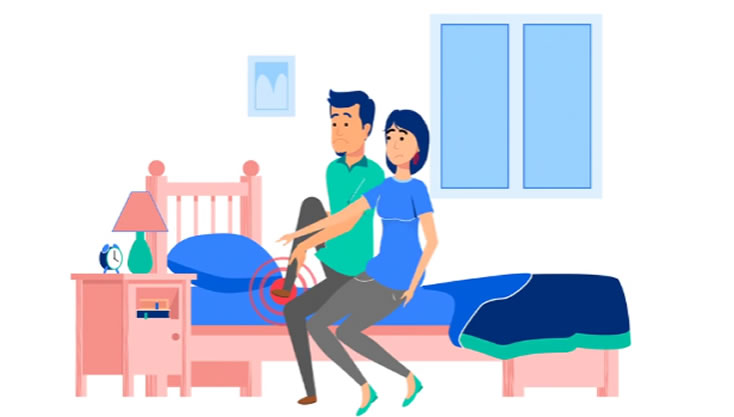
Conditions like plantar fasciitis develop gradually. Small tears and inflammation build up over time, especially for people who spend long hours on their feet. Morning pain is common, but many people also experience discomfort after sitting or during light activity.
Those searching for plantar fasciitis treatment options quickly realise there is no single solution. Relief often comes from combining approaches that reduce inflammation and encourage healing.

The shift toward at home pain management
Booking regular physiotherapy appointments is not always practical. Time, cost, and availability all get in the way. This has led many people to look for home treatment for plantar fasciitis that can be used consistently without disrupting daily life.
At home devices give users more control. They allow treatment to fit around work, family, and recovery time instead of the other way around. That flexibility is a big reason more people are exploring non invasive options.
How vibration therapy fits into recovery
Vibration based therapy has been used for years to support circulation and tissue recovery. When applied correctly, it can help reduce stiffness and discomfort in problem areas.
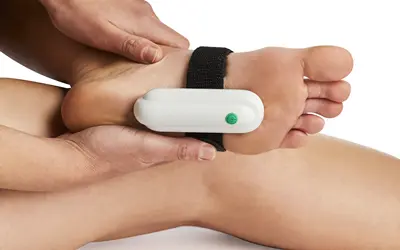
People researching shockwave therapy for plantar fasciitis often want something effective without clinical appointments. A device designed specifically for heel pain makes that approach more accessible. Used regularly, it becomes part of a routine rather than a last resort.
Consistency matters more than intensity
One mistake people make with heel pain is doing too much too soon. Aggressive stretching or overuse of supports can sometimes make symptoms worse.
Gentle, repeatable sessions are usually more effective. Short daily use allows the body to respond gradually. This is why many users focus on building a habit rather than chasing immediate results.
Those looking for heel pain relief devices often discover that progress shows up in small improvements like easier mornings or longer walks without discomfort.
Who tends to benefit the most
Not everyone experiences heel pain the same way. However, certain groups often see better outcomes with structured at home care:
- People with chronic morning heel pain
- Workers who stand for long periods
- Runners easing back into activity
- Anyone managing Achilles tendonitis treatment alongside foot pain
For these groups, regular targeted support can make daily movement feel manageable again.
Reducing reliance on temporary fixes
Painkillers and ice packs can help temporarily, but they rarely address the root cause. Over time, relying on short term fixes becomes frustrating.
People searching for plantar fasciitis pain relief are often looking for something that supports healing rather than masking symptoms. That mindset shift is important. Long term improvement usually comes from addressing circulation, tissue stress, and recovery habits together.
Why this option keeps getting attention
The growing interest in Plantarcure is not about hype. It reflects a broader trend toward practical solutions people can use at home without guesswork.
When heel pain interferes with everyday life, people want something that feels manageable and realistic. A device that fits into a daily routine often feels more sustainable than constant appointments or trial and error products.
Making peace with a slower but steadier recovery
Heel pain rarely disappears overnight. What matters is finding an approach that supports progress without adding stress. For many people, building a simple routine around targeted therapy is what finally helps them move forward with confidence.