The One Thing Minerva Does Differently That Most Fabric Stores Don’t
Anyone who has spent time sewing knows the frustration of buying fabric that looks perfect online but behaves very differently once it arrives. Colours feel off, the drape is wrong, or the fabric simply does not suit the project it was meant for. Over time, many sewists start to notice that the problem is not their skills. It is how fabric is presented and sold. This is where Minerva has quietly set itself apart.
The difference is not about flashy branding or constant sales. It comes down to how the fabric buying experience is designed around real sewing decisions, not impulse clicks.
TL;DR
- Most fabric stores focus on visuals, not usability
- Detailed context helps sewists choose the right material
- Community insight reduces costly fabric mistakes
- Better information leads to longer lasting projects
Why fabric shopping often feels like guesswork
Many fabric retailers rely heavily on studio photos and short descriptions. While this might look appealing, it leaves out crucial details. Weight, texture, stretch, and real world drape are hard to judge from a single image.
As a result, sewists are often forced to guess. When that guess is wrong, time and money are wasted. Over time, this trial and error becomes discouraging, especially for people working on more complex projects.
The power of seeing fabric in real projects
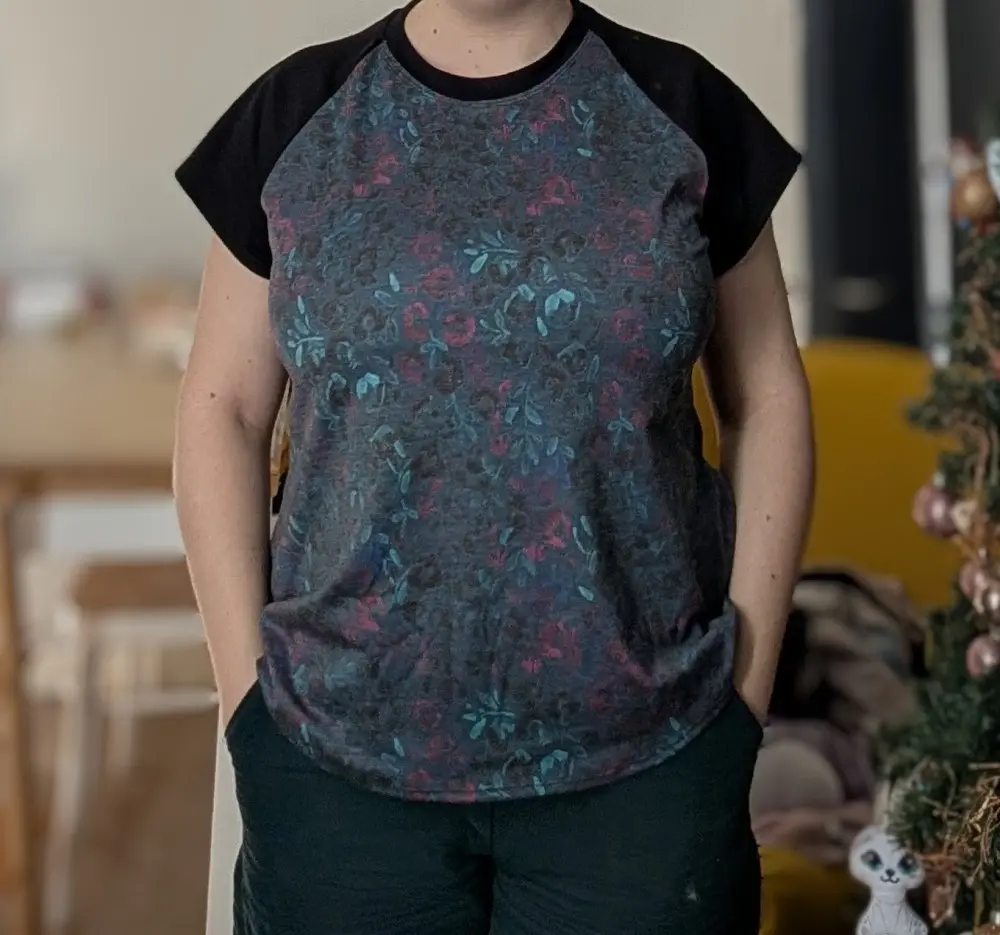
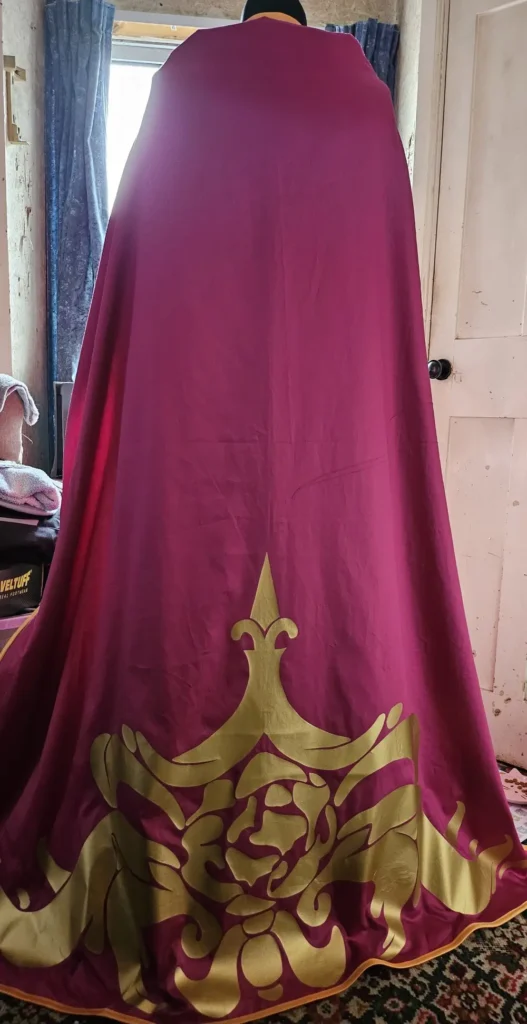
One thing that changes everything is seeing fabric used in finished garments. Not styled marketing shots, but real makes created by real people.
When sewists can view how a fabric looks in dresses, trousers, or tops, it becomes much easier to imagine how it will behave. Details like movement, structure, and even how colours appear in natural light become clearer.
This kind of context dramatically reduces uncertainty and helps buyers feel confident before they cut into fabric.
Community insight matters more than most people realise
Sewing is often a solo activity, but fabric buying does not have to be. When a platform allows makers to share their finished projects, it creates a knowledge base that benefits everyone.
Patterns paired with specific fabrics, feedback about ease of sewing, and notes on how materials wear over time all add value. These insights cannot be replicated by a product description alone.
For many sewists, this shared experience becomes just as important as price or delivery speed.
Better decisions lead to less waste
Fabric waste is a common issue in sewing. Wrong choices lead to unfinished garments or items that rarely get worn. That is frustrating, especially when fabric costs are rising.
When buyers have access to better information, they make fewer mistakes. Projects are more likely to be completed and worn regularly. Over time, that means less wasted fabric and more satisfaction from the sewing process.
This approach supports thoughtful purchasing rather than impulse buying.

Why experienced sewists gravitate toward clarity
As skills improve, expectations rise. Experienced sewists care deeply about fit, drape, and longevity. They want materials that support their effort, not undermine it.
Retailers that prioritise clarity and education naturally attract this audience. When fabric behaves as expected, sewists are more willing to experiment and invest time into challenging designs.
This explains why Minerva often comes up in conversations about reliable fabric sourcing.
Sewing feels different when fabric choices are confident
There is a noticeable shift when fabric selection stops feeling like a gamble. Planning becomes more enjoyable. Cutting feels less stressful. Finished garments feel closer to the original vision.
That confidence transforms sewing from a series of cautious steps into a more creative and rewarding process.
Who benefits most from this approach
This way of shopping appeals to:
- Sewists working on fitted or technical garments
- Makers who want garments to last beyond a season
- Anyone tired of wasting fabric on failed projects
For these groups, information is just as valuable as the fabric itself.
Rethinking what a good fabric store should offer
The biggest difference is not price or variety. It is respect for the sewist’s decision making process. When a fabric store supports better choices, the results speak for themselves in every finished garment.