How Plantarcure Fits Into a Realistic Routine for Long Term Heel Pain Management
Living with heel pain is exhausting in a quiet way. It affects how you start your day, how long you stay on your feet, and whether you even look forward to simple things like walking or exercising. Many people try to push through it until the discomfort becomes impossible to ignore. That is usually the point where they start searching for something practical that fits into daily life. This is why Plantarcure is getting attention as part of a realistic approach to managing ongoing heel pain.
Rather than replacing everything else you are doing, it is designed to slot into routines that already exist.
TL;DR
- Long term heel pain usually needs consistent management
- Short daily routines are easier to maintain than intensive treatments
- At home therapy supports gradual improvement
- Small daily habits often lead to the biggest changes
Why routines matter more than quick fixes
Heel pain conditions like plantar fasciitis rarely resolve with one solution. Stretching helps, rest helps, and supportive footwear helps, but inconsistency often slows progress. What most people need is a routine they can stick to.
Health professionals frequently recommend combining approaches such as gentle stretching, supportive shoes, and gradual load management. According to guidance on plantar fasciitis treatment from trusted medical sources, regular care is more effective than occasional intense effort.
Making heel pain care part of your day
One of the biggest challenges with recovery is time. People struggle to attend frequent appointments or follow complicated plans. A realistic routine usually looks simple.
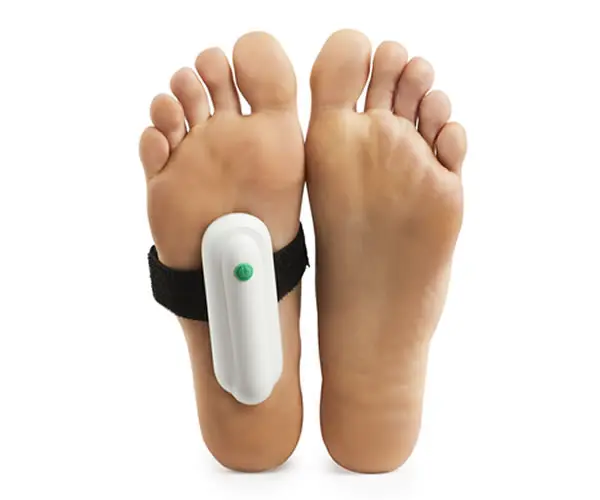
Many people choose to use a heel pain relief device at home because it removes barriers. There is no travel, no waiting, and no scheduling conflicts. It becomes something you do while watching television or winding down at night.
This kind of integration makes it easier to stay consistent, which is where progress usually begins.
How vibration therapy supports daily management
Vibration based therapy has been studied for its ability to encourage circulation and reduce stiffness. For foot conditions, targeted application matters.
People researching shockwave therapy for plantar fasciitis often find that home devices offer a middle ground between doing nothing and committing to clinic based treatment. Used in short sessions, vibration therapy can complement stretching and rest without overwhelming the body.
Consistency is the key. Small, repeatable sessions often work better than occasional long ones.
Understanding what progress actually looks like
One reason people abandon routines is unrealistic expectations. Heel pain recovery is rarely dramatic. Instead, progress tends to show up in subtle ways.
You might notice:
- Less stiffness first thing in the morning
- Improved comfort during longer walks
- Reduced soreness after standing for long periods
These small changes are signs that tissue is responding. Medical advice on plantar fasciitis pain relief often emphasises patience, as healing takes time.
Supporting recovery beyond the device
No tool works in isolation. Most people see better results when they pair daily care with supportive habits.
This can include:
- Wearing shoes with proper arch support
- Avoiding sudden increases in activity
- Following basic guidance for Achilles tendonitis treatment if symptoms overlap
Using reliable information from healthcare sources helps people avoid common mistakes that slow recovery.
Who benefits most from this type of routine
A routine based approach tends to suit people who value steady improvement over quick wins. It is particularly helpful for those with chronic symptoms that have lingered for months.
Workers who spend long hours on hard floors, runners returning from injury, and anyone managing ongoing foot discomfort often find that simple daily care feels more manageable than reactive treatments.
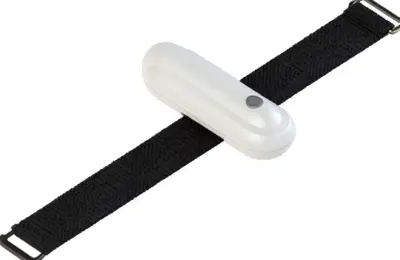
This is where Plantarcure fits naturally into everyday life rather than disrupting it.
Reducing frustration through realistic expectations
Heel pain can be mentally draining. People want certainty, but recovery is rarely linear. Accepting a gradual process helps reduce frustration.
Reliable guidance on home treatment for plantar fasciitis often focuses on sustainability rather than intensity. When care feels achievable, people are more likely to stay committed.
Building a routine you can actually live with
Long term heel pain management is not about doing everything perfectly. It is about finding a rhythm that works and sticking with it. When support tools fit into daily life instead of taking it over, progress becomes far more realistic and far less stressful.