From Farm to Fitness: The Evolution and Power of the Burpee Workout
In the realm of fitness, few exercises are as iconic and universally challenging as the burpee. What started as a simple physical fitness test has evolved into a cornerstone of modern workout routines. Loved and loathed in equal measure, the burpee is a true testament to the power of functional fitness. This article explores the fascinating journey of the burpee, its enduring appeal, and why it remains a staple for athletes and fitness enthusiasts alike.
The Humble Beginnings
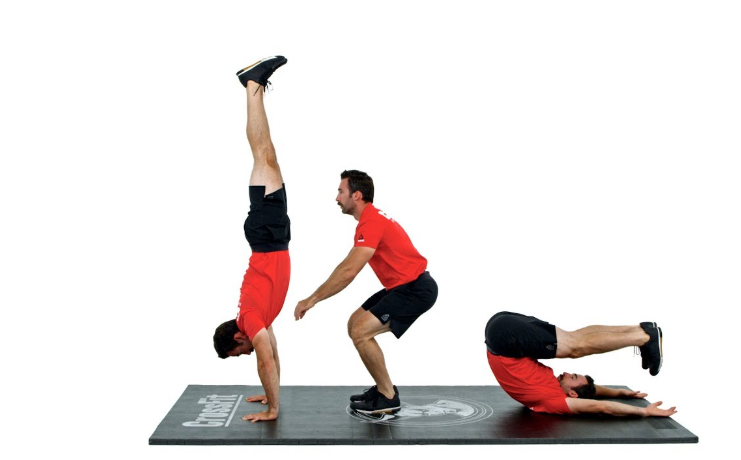
The burpee was born in 1939, created by Royal H. Burpee, a physiologist who sought a quick and effective way to assess physical fitness. His original version of the exercise was simple: a four-step movement that involved squatting, stepping back into a plank position, returning to the squat, and standing up. Burpee’s intention wasn’t to torture gym-goers but to create a practical tool for measuring fitness levels without the need for complex equipment.
From Military Training to Mainstream Fitness
The burpee’s rise to prominence came during World War II when the U.S. military adopted it as a part of their fitness assessments. Its ability to measure endurance, strength, and agility made it invaluable for evaluating recruits. Over time, the exercise expanded beyond military training and found its way into gyms, boot camps, and sports programs.
The Modern Burpee
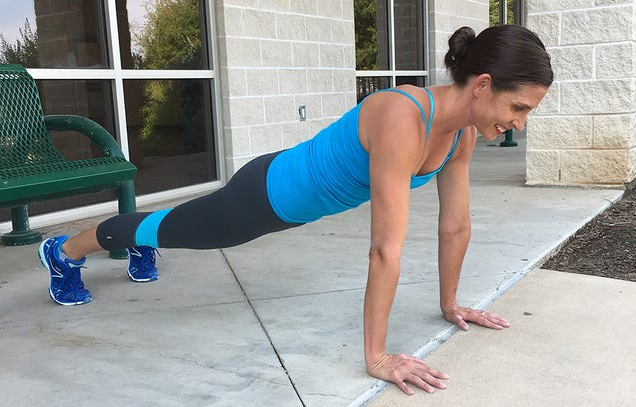
Today, the burpee has evolved into a full-body exercise that packs a punch. The standard burpee now typically includes six movements: squat, jump back into a plank, push-up, jump forward, and an explosive jump upward. Variations, such as the double burpee, lateral burpee, or burpee box jump, keep the exercise fresh and challenging for all fitness levels.

Why the Burpee Stands Out
The burpee’s enduring popularity stems from its versatility and effectiveness. Here’s why it remains a favorite:
- Full-Body Engagement: The burpee works multiple muscle groups, including the chest, shoulders, arms, core, glutes, and legs, making it a comprehensive workout in a single move.
- Cardiovascular Benefits: Few exercises get the heart rate up as quickly as the burpee, making it an excellent choice for improving cardiovascular endurance.
- Calorie Burning: As a high-intensity exercise, burpees torch calories and boost metabolism, contributing to weight management and fat loss.
- No Equipment Needed: The burpee’s simplicity and reliance on body weight make it accessible to anyone, anywhere.
- Scalability: Whether you’re a beginner or an elite athlete, burpees can be modified to suit your fitness level. Add weights, incorporate a pull-up, or simplify the movements to adjust the intensity.
The Burpee in Popular Fitness Trends
Burpees are a key component of popular workout regimes like CrossFit, HIIT (High-Intensity Interval Training), and functional fitness. Their ability to combine strength, endurance, and agility into one exercise aligns perfectly with the principles of these training styles. Additionally, fitness challenges like “100 Burpees a Day” have gained traction, inspiring participants to push their physical and mental limits.
Burpees: Love Them or Hate Them
Despite their benefits, burpees are polarizing. Their intensity can make them daunting, especially for beginners. However, fitness experts agree that the discomfort is worth the results. The key is to start slow, focus on proper form, and gradually increase repetitions as strength and endurance improve.
A Legacy of Strength and Resilience
From its origins as a simple fitness test to its current status as a global fitness phenomenon, the burpee has proven to be a timeless exercise. It embodies the principles of hard work, perseverance, and functionality. Whether you’re aiming to boost your fitness levels, lose weight, or build mental toughness, the burpee remains a reliable ally in your fitness journey.
So the next time you drop to the floor for a set of burpees, remember its rich history and the legacy of strength it represents. From farm fields to fitness studios, the burpee continues to push boundaries and redefine what it means to work hard for results.