CrowdFarming: Revolutionizing Agriculture Through Direct Farmer-to-Consumer Connections
In recent years, CrowdFarming has emerged as a groundbreaking approach to agriculture, transforming how people buy and consume food. This innovative platform connects consumers directly with farmers, eliminating intermediaries and promoting a more sustainable, transparent, and fair food supply chain. By allowing consumers to “adopt” trees, beehives, or even livestock, CrowdFarming fosters a deeper connection between people and the food they eat.
What is CrowdFarming?
CrowdFarming is an alternative food distribution model that enables consumers to buy fresh, organic produce directly from farmers. Unlike traditional retail chains, which involve multiple middlemen, this approach ensures that farmers receive a fair price for their products while consumers get high-quality, traceable food.
Founded in Spain, CrowdFarming started as a simple idea: to create a more personal and sustainable relationship between farmers and consumers. Today, the platform operates across several European countries, helping small and medium-sized farmers sell their produce while promoting sustainable farming practices.

How Does CrowdFarming Work?
The concept of CrowdFarming revolves around the idea of “adopting” a farm product or plot of land. Here’s how it works:
- Adopt a Farm Product – Consumers can choose to adopt a tree, beehive, or animal from a farmer of their choice. This adoption model provides farmers with financial security before the harvest.
- Receive Fresh Produce – Once the harvest is ready, the consumer receives their share of the produce directly at their doorstep. This ensures freshness and eliminates unnecessary food waste.
- Support Sustainable Agriculture – By adopting farm products, consumers directly contribute to sustainable and organic farming methods, reducing the environmental impact of industrial agriculture.

Benefits of CrowdFarming
1. Fair Prices for Farmers
One of the biggest challenges for small farmers is low profit margins due to the involvement of multiple middlemen. CrowdFarming removes these intermediaries, ensuring that farmers receive a fair and stable income for their hard work.
2. Fresher, Healthier Produce
Since food is shipped directly from farms to consumers, it doesn’t spend weeks in warehouses or supermarkets. This means fruits, vegetables, honey, and dairy products are fresher, tastier, and more nutritious.
3. Sustainability and Reduced Waste
Traditional food supply chains often lead to overproduction and food waste. CrowdFarming prevents this by allowing farmers to plan their harvests based on actual demand. Additionally, the platform promotes organic farming and minimizes the carbon footprint of food transportation.
4. Transparency and Consumer Trust
Consumers can see exactly where their food comes from, who grows it, and what farming practices are used. Many farmers share updates, pictures, and stories about their farms, creating a personal connection between growers and buyers.
5. Ethical and Responsible Consumption
By supporting local farmers and sustainable practices, consumers make more ethical food choices. This helps preserve biodiversity, reduce deforestation, and encourage responsible land use.

Popular Products on CrowdFarming
The platform offers a wide range of farm-fresh products, including:
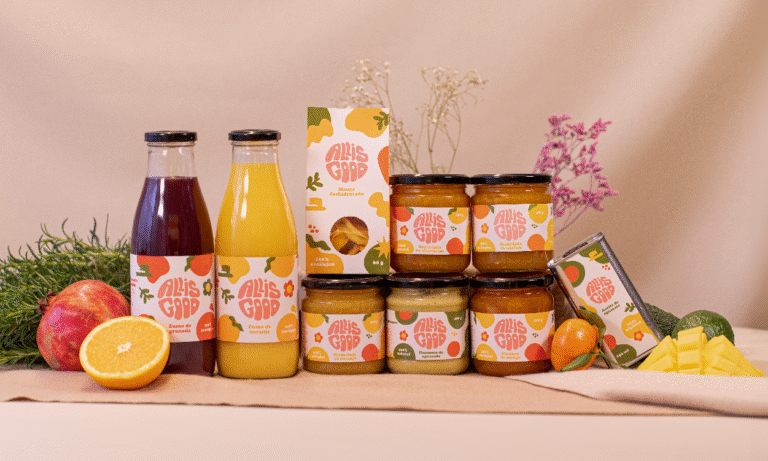
- Organic Fruits & Vegetables (oranges, avocados, tomatoes, etc.)
- Honey & Beekeeping Products
- Dairy & Cheese
- Olive Oil & Nuts
- Meat & Fish from Ethical Farms
These products are harvested on demand, meaning they arrive at peak freshness with minimal processing and packaging.
Challenges and Future Prospects
While CrowdFarming has seen tremendous success, there are still challenges to overcome:
- Scalability – Expanding to new regions while maintaining quality and sustainability standards.
- Shipping Logistics – Ensuring that fresh produce reaches consumers without delays.
- Consumer Awareness – Educating more people about the benefits of direct farm-to-consumer models.
Despite these challenges, the future of CrowdFarming looks promising. As more consumers seek organic, traceable, and ethically sourced food, this model is likely to grow, making sustainable agriculture a mainstream choice.
Conclusion
CrowdFarming is more than just an online marketplace—it’s a movement that promotes transparency, sustainability, and ethical food production. By connecting consumers directly with farmers, it ensures fair pay for farmers, fresher food for consumers, and a healthier planet for all.
If you’re passionate about supporting local farmers and eating responsibly, CrowdFarming offers an easy and rewarding way to make a difference.