Maui Jim Sunglasses: What Are You Actually Paying More For?
There is no shortage of sunglasses that look good for £30 or £40. Walk into almost any high-street shop and you can find frames that seem perfectly decent, at least at first glance. Then you come across a pair costing £200 or more and the obvious question is: what exactly makes them worth that much?
With Maui Jim, a large part of the answer sits in the lenses rather than the logo on the side of the frame.
That distinction matters. Premium sunglasses can certainly be a fashion purchase, but if you’re paying considerably more, you should be getting something useful beyond a nicer case and a recognisable name.
A Lot of the Cost Is in What You See Through
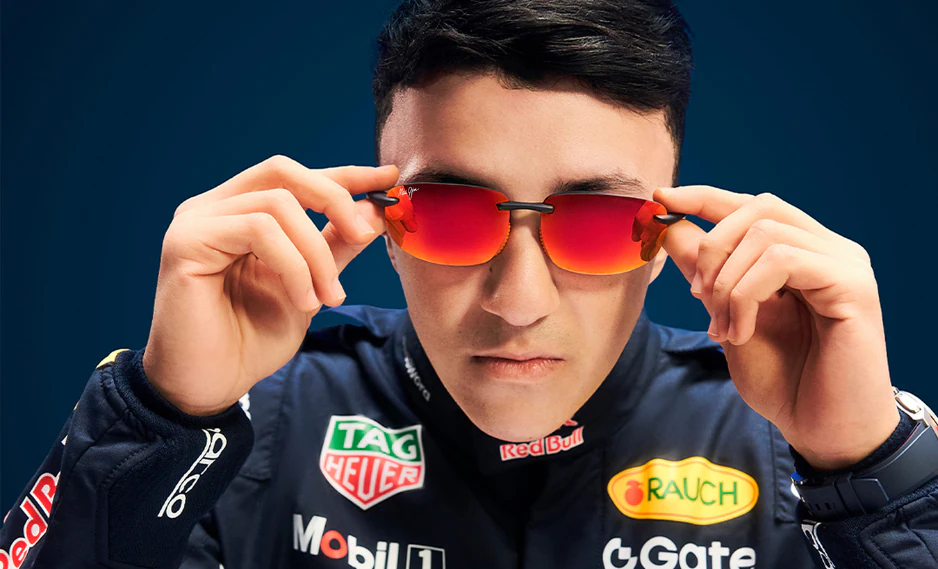
All Maui Jim sunglasses use the brand’s PolarizedPlus2 technology. The polarising film is designed to eliminate 99.9% of glare, while the lenses block 100% of harmful UV rays. The technology also aims to improve colour, clarity and detail rather than simply making your surroundings darker.
This is probably the biggest reason to consider Maui Jim if you spend a lot of time outdoors.
Glare is different from ordinary brightness. It is the harsh reflected light you notice coming off wet roads, water, glass and other shiny surfaces. A basic tinted lens can reduce overall brightness, but good polarised sunglasses tackle those reflections as well.
You are likely to appreciate that more during a three-hour drive or a full day near the sea than during a two-minute try-on in a shop.
Not Every Pair Uses the Same Kind of Lens
One detail that’s easy to miss is the choice of lens material.
Maui Jim currently offers several lens materials designed around different priorities. Maui Ultra focuses on performance, impact resistance and low weight. Maui Brilliant balances optical quality and versatility, while SuperThin Glass is aimed at especially crisp optics and resistance to everyday wear. Maui Pure is positioned for everyday use and combines low weight with impact resistance.
That means paying more does not automatically mean buying the heaviest or most technically complicated option. The sensible choice depends on what you’ll actually do while wearing them.
Someone who wants everyday sunglasses for walking around town has different needs from someone buying sports sunglasses for active weekends. A person who is particularly fussy about optical clarity might prioritise glass lenses, while another buyer may care more about keeping the frames light and comfortable.
This is where Maui Jim starts to feel less like a simple fashion purchase and more like choosing eyewear for a particular purpose.
Then There’s the Question of Colour
Lens colour isn’t only there to match the frame.
Neutral Grey, for example, is designed for bright, direct sunlight. HCL Bronze has a warmer tint and is intended for varied everyday conditions. Other lens options are built around different levels of contrast and light. So two pairs of premium sunglasses can behave differently outdoors even if both provide strong UV protection.
It is worth considering where you normally wear sunglasses before worrying about which colour looks coolest in a product photo.
Driving regularly in strong sun? Light reduction and glare control will probably matter more.
Wearing them through changeable British weather? A lens suited to varied conditions may make more sense.
Spending weekends playing golf, fishing, hiking or doing other outdoor activities? Contrast, weight and frame coverage become much more relevant.

The Frames Aren’t an Afterthought Either
There is also a fairly broad choice of frame shapes. The current Maui Jim collection includes aviator, classic, fashion, rectangular, rimless, cat-eye and wrap sunglasses. Wrap designs provide additional coverage against glare, wind and water, while lightweight rimless styles take a different approach to comfort.
This matters more than it sounds.
A beautiful pair that constantly slides down your nose is not a good pair of sunglasses. Neither is a heavy frame that starts pressing behind your ears halfway through the afternoon. Fit, coverage and weight become increasingly noticeable the longer you wear sunglasses.
Are You Paying for the Name?
Partly, of course. Maui Jim is an established premium eyewear brand, and branding inevitably forms part of how products are positioned and priced. The company began selling sunglasses on Ka’anapali Beach in Maui during the 1980s and developed its lens technology in response to the island’s intense sunlight and glare. Today, its sunglasses are still designed and tested in Maui.
But reducing the price entirely to branding would miss what you’re actually getting.
The real value is easier to understand if sunglasses are something you wear frequently. Better glare reduction, UV protection, lens clarity, comfortable frames and different lens materials are practical features rather than decorative extras.
That doesn’t mean everyone needs expensive sunglasses. If you wear them twice a year on holiday, a premium pair may be difficult to justify. If they’re on your face whenever you drive, travel, walk, play sport or spend time outdoors, the calculation changes.
Ultimately, Maui Jim makes more sense when you think of sunglasses as eyewear first and an accessory second. The frames still need to look good, obviously. But at this price, what happens when you look through the lenses should matter just as much as what everyone else sees when they look at you.