One World Observatory After Dark: Why New York Feels Different From Above
New York after dark is almost a different city.
During the day, Manhattan is all detail. You notice the buildings, traffic, blocks, bridges, and crowds. Once the sun disappears, those details soften. Streets become glowing lines, windows flicker on across the skyline, and the city seems to stretch much farther than it does when you are walking through it.
Seeing that transformation from One World Observatory gives an evening in New York a completely different rhythm. Instead of looking up at skyscrapers from a busy sidewalk, you are standing more than 100 floors above Manhattan watching millions of lights slowly take over the view.
And if you time the visit well, you do not have to choose between daylight and nighttime.
Arrive Before the City Turns On Its Lights
There is something tempting about booking an evening ticket and arriving once New York is already illuminated. But you would miss one of the most interesting parts of the experience.
The observatory recommends booking at least an hour before sunset if you want to watch it from above. That gives you time to reach the viewing levels and settle in before the light begins to change.
From One World Observatory, the transition happens gradually. The Hudson River catches the remaining sunlight, shadows begin filling the streets, and Manhattan’s buildings start switching from reflective glass to glowing windows.
Then comes blue hour, that short period after sunset when there is still color in the sky but the city lights are already visible. For anyone interested in NYC photography, this can be one of the most rewarding times to have a camera ready.
It also means one visit can give you three versions of the New York skyline: daylight, sunset, and night.
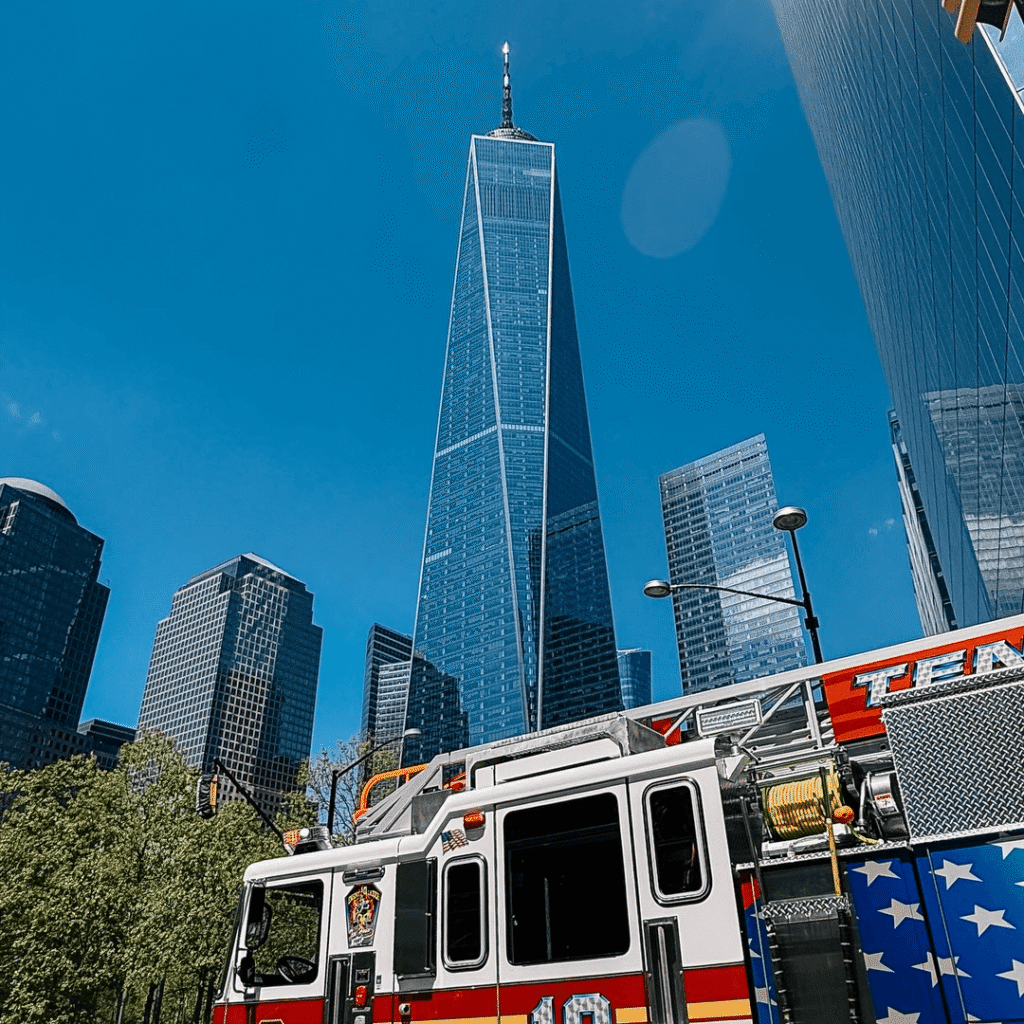
The Familiar Landmarks Suddenly Look Different
New York’s famous landmarks are easy to think of as individual attractions. You visit one, take a photo, then move to the next.
From this height, they become pieces of a much bigger picture.
The 360-degree views from One World Observatory stretch across Manhattan, Brooklyn, New Jersey, the harbor, and beyond. As darkness arrives, bridges light up and neighborhoods become clusters of light separated by darker stretches of water.
Lower Manhattan is particularly dramatic at night because you are looking outward from one of the city’s highest points rather than toward it.
It is worth walking around instead of finding one window and staying there. Midtown naturally draws attention, but the harbor and Brooklyn views deserve time too. The illuminated bridges against the darker water create a completely different kind of cityscape.
If you have spent the day walking around New York, there is also something satisfying about spotting areas you visited earlier from above. Distances suddenly make sense in a way they rarely do at street level.
An Evening Visit Doesn’t Have to End at the Windows
A nighttime visit works particularly well because it can become part of an evening out rather than another attraction squeezed between sightseeing stops.
ONE Dine sits on the 101st floor, so you can follow the skyline experience with dinner without returning immediately to street level. The restaurant serves seasonal dishes with panoramic city views, and reservations are recommended. Observatory admission is required to access the restaurant.
That opens up a few ways to plan the evening.
Couples could turn One World Observatory into the start of a New York date night. Families might visit around sunset before dinner. If you are travelling with friends, you could spend some time exploring the observation floors and finish with drinks while the city glows outside.
It feels much less rushed than treating an observation deck as somewhere you simply go up, take pictures, and leave.
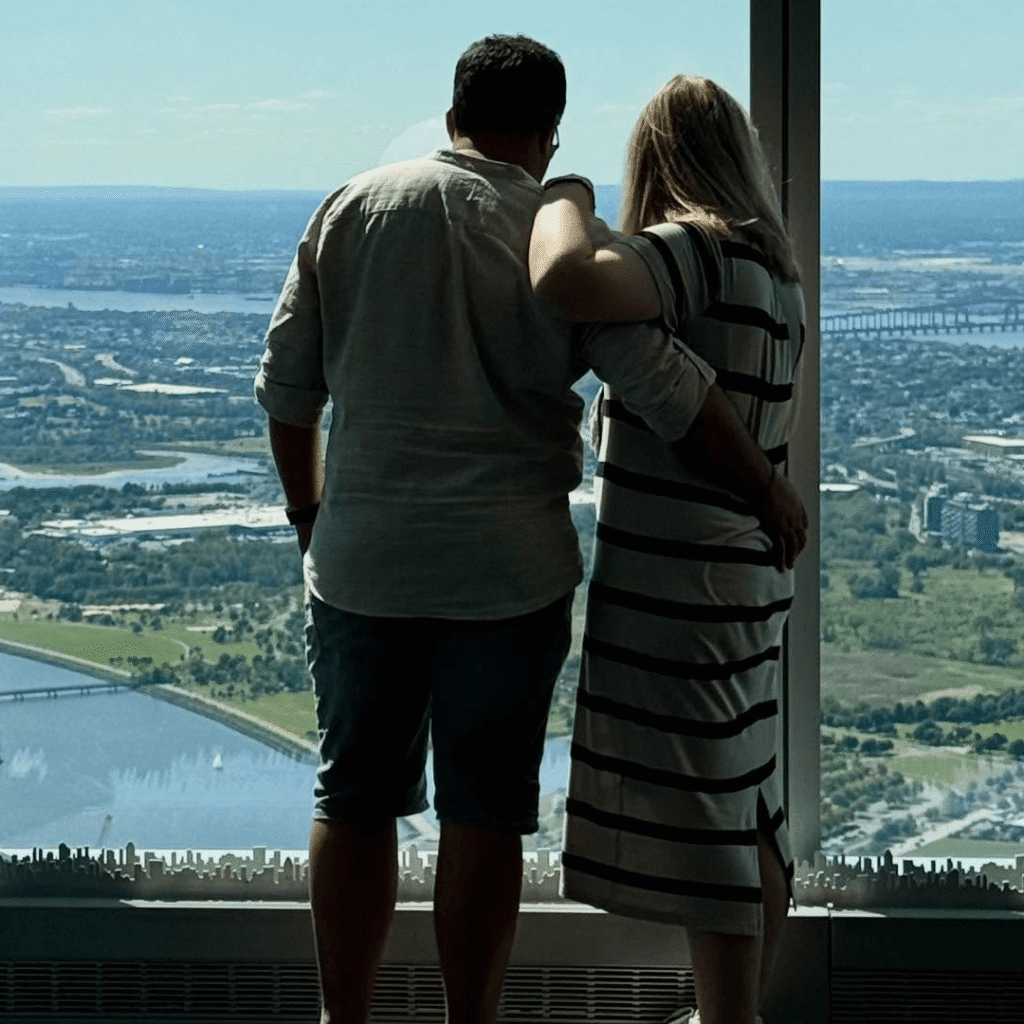
Don’t Forget About What’s Happening Inside
The skyline understandably gets most of the attention, but the indoor experience makes the visit more interesting.
The SkyPod elevators reach the observatory in 47 seconds while showing the development of New York through a visual time-lapse. The See Forever Theater builds toward the skyline reveal, while City Pulse gives visitors more context about the neighborhoods and landmarks visible outside.
Some ticket options also include the One World Explorer digital skyline guide, which can help identify NYC landmarks as you move around the windows.
At night, that context becomes especially useful. A sea of lights is beautiful on its own, but knowing which bridge, neighborhood, or building you are looking toward makes the view more meaningful.
Why Night Changes the Experience
There are plenty of reasons to visit an NYC observation deck during the day. Visibility can be excellent, photography is easier, and you can clearly see the city’s geography.
Night offers something else.
The noise and movement you associate with Manhattan are still happening thousands of feet below, yet from above everything looks unexpectedly calm. Yellow taxis become tiny moving lights. Busy roads turn into glowing trails. Buildings that seemed enormous from the pavement become part of a much wider skyline.
That contrast is what makes One World Observatory after dark memorable.
You are still looking at the same New York you spent the day exploring. It just does not feel like the same city anymore.